Tuzlu Kahve - How Star TV Combined Yasak Elma, Ask Yeniden, And Kiralik Ask Into A Historic Hit
Watch Turkish Dramas Securely
Ready to watch? Don't let your ISP throttle your speed or block local Turkish channels. Stream your favorite series in full HD securely from anywhere.
When Yasak Elma concluded its legendary six-season run, television executives across Istanbul faced an uncomfortable truth: you cannot manufacture lightning in a bottle twice.
The intoxicating, campy chemistry between Yıldız Yılmaz (Eda Ece) and Ender Çelebi (Şevval Sam) did not just dominate ratings; it rewrote the rules of Turkish prime time. For six years, the duo turned high-society scheming, outrageous divorces, and ridiculous luxury into a national comedy addiction. Every attempt by rival producers to recreate that magic with different faces fell flat within weeks.
Enter Poll Films and Star TV with the biggest television gamble of 2026: Tuzlu Kahve (Salty Coffee).
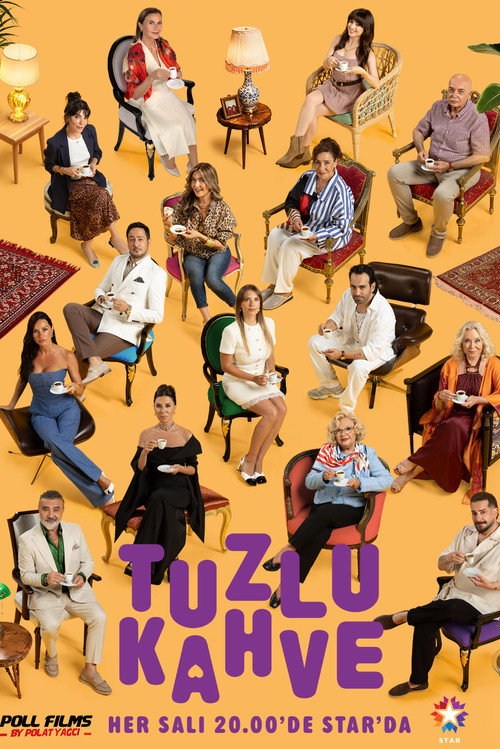
Instead of searching for replacements, producer Polat Yağcı pulled off the impossible. He reunited Eda Ece and Şevval Sam, surrounded them with a roster of acting royalty that feels more like an all-star cinematic festival than a weekly broadcast, and unleashed Episode 1 directly onto the autumn battlefield.
The premiere delivered an explosive opening, especially across the affluent AB and ABC1 demographics, proving that high-society satire remains an unstoppable ratings magnet. But how did Star TV assemble this historic cast, and can this golden alliance sustain its momentum without falling into self-parody?
1. The Impossible Roster: How Did Star TV Assemble This Cast?
When the official cast list for Tuzlu Kahve was released, industry insiders were stunned. This is not just a high-budget production; it is arguably the most stacked ensemble in modern Turkish television history:
- Eda Ece as Derin Kutaygil, the witty, sharp-tongued heiress navigating family chaos.
- Şevval Sam as Candan Aydınoğlu, the aristocratic queen of high society whose smile conceals razor-sharp claws.
- Buğra Gülsoy as Mehmet Aydınoğlu, returning from abroad to inherit a family empire he never wanted.
- Nebahat Çehre, the immortal Firdevs Yöreoğlu of Aşk-ı Memnu, bringing her unmatched regal authority to the screen.
- Binnur Kaya, the national treasure of character acting (Kırmızı Oda, Avrupa Yakası), commanding the traditional wing of the Aydınoğlu clan.
- Ceren Moray (Avlu), Sarp Apak, and Enis Arıkan, injecting chaotic, razor-sharp comic timing.
- And the sensational return of Yasemin Özilhan (Ergene), stepping back in front of the cameras for the first time in nearly fifteen years since her defining role in Doktorlar.
The Production Secret Behind the Ensemble:
How can one weekly drama finance, schedule, and satisfy this many superstars without collapsing into ego clashes or logistical gridlock?
The answer lies in a revolutionary structural shift that Star TV adopted from prestige streaming platforms: The Multi-Arc Shooting Grid.
In traditional Turkish dramas, two leads are forced to shoot sixteen hours a day, six days a week, carrying 140 minutes on their backs until physical exhaustion sets in. In Tuzlu Kahve, the narrative is divided into three distinct, alternating dynastic branches. No single actor is required on set for more than three days a week. Star TV offered these acting titans maximum creative freedom, top-tier compensation, and humane working hours, turning a grueling television commitment into an irresistible prestige showcase.
2. The Secret Weapon: The Kiralık Aşk Royalty Connection
While the headlines belong to the reunion of Eda Ece and Şevval Sam, the true comedic engine of the premiere was unlocked by another legendary television legacy: Kiralık Aşk.
The casting of Nergis Kumbasar is a masterstroke. Anyone who witnessed modern Turkish pop culture in the mid-2010s remembers Kumbasar unforgettable performance as Neriman İplikçi in Kiralık Aşk, where her high-society matchmaking, theatrical shrieks, and shameless manipulation became iconic memes across the Middle East and Europe.
In Tuzlu Kahve, Kumbasar steps into the fray with that exact same chaotic, mischievous energy. When her character collides with Eda Ece modern, unhinged sarcasm and Şevval Sam icy perfection, the screen erupts. It bridges two distinct golden eras of Turkish romantic satire: the breezy, matchmaking brilliance of Kiralık Aşk and the unapologetic, cutthroat luxury of Yasak Elma.
Behind the typewriter are Aslı Zengin and Banu Zengin Tak, the celebrated screenwriting sisters who authored some of the most enduring high-society romantic comedies in television history (Erkenci Kuş, Kiraz Mevsimi). Under the direction of Mustafa Kotan, the writing team strikes a delicate balance: honoring the fast-paced verbal sparring of Yasak Elma while injecting the warmth and eccentric family warmth of classic Anatolian marriage rituals.
3. The "Aşk Yeniden" Déjà Vu: The Mansion, The Mother, and The "Derin" Connection
Watching the premiere closely here at Vartolo, we immediately caught a breathtaking visual easter egg that went completely unnoticed across mainstream entertainment news: the magnificent estate housing the Aydınoğlu family is none other than the legendary mansion made famous in Aşk Yeniden.
Over a decade ago, Buğra Gülsoy captured the hearts of millions as Fatih Şekercizade, the reluctant golden boy who fled to America to escape his suffocating, aristocratic dynasty, only to return home to the exact same opulent halls.
The Identical Narrative Mirror:
The visual similarity is only the tip of the iceberg; the foundational psychological DNA between the two shows is almost an identical mirror:
- The American Exile: In both narratives, Gülsoy character flees across the Atlantic to America in a desperate bid for independence, only to be pulled back to Istanbul by familial duty.
- The Obsessive Mother Syndrome: In Aşk Yeniden, Fatih mother Mukaddes was pathologically obsessed with her son, treating a grown adult like a fragile prince who could never survive without her meddling. In Tuzlu Kahve, Mehmet mother exhibits that exact same suffocating, obsessive maternal attachment, creating a dynamic of claustrophobic comedic tension.
The "Derin" Dialogue Easter Egg:
Even the script dialogue drops an undeniable meta-homage that we caught right away during the premiere broadcast. In Aşk Yeniden, the defining, unshakeable patriarchal force was the legendary "Derin Şevket" (Tamer Levent), whose imposing nickname echoed through every episode. In Tuzlu Kahve, Eda Ece leading character is pointedly named Derin, and during a heated family exchange in Episode 1, the writers deliberately slipped in the phrase "Derin" (the deep one). It is an unmistakable, brilliant wink from screenwriters Aslı Zengin and Banu Zengin Tak to the cult legacy of Aşk Yeniden, signaling to viewers that Buğra Gülsoy has stepped back into the exact kind of high-society family circus where he thrives best.
4. The Radical Transformation: The Buğra Gülsoy Metamorphosis (And The "Vartolu in Veliaht" Effect)
One of the most intense debates dominating social media after the premiere of Tuzlu Kahve had nothing to do with the plot: it was about the shocking, unfamiliar physical appearance of Buğra Gülsoy.
As television viewers, we form deep emotional bonds with the signature looks of our favorite stars. For over a decade, Turkish audiences carried a fixed image of Gülsoy in their minds: the youthful, boyish curls of Fatih in Aşk Yeniden, the tortured, brooding brow of Güney in Kuzey Güney, or the gentle, polished warmth of doctor Evren in Bahar.
When Gülsoy stepped out of the luxury sedan in Episode 1 as Mehmet Aydınoğlu, viewers were hit with genuine cognitive dissonance. The hardened European grooming, the altered hairstyle, the lean, weathered posture, and the cold, unapproachable detachment initially triggered an instinctive fan resistance: "Where is the Buğra we know and love?"
The "Vartolu in Veliaht" Parallel:
We witnessed this exact psychological phenomenon when Erkan Kolçak Köstendil shocked the entire nation in Veliaht. After spending years cementing himself as an untouchable pop-culture deity with the beard, colorful three-piece suits, and flamboyant swagger of Vartolu Saadettin in Çukur, Köstendil violently dismantled his entire visual identity for Veliaht. He cropped his hair, grew a thick, unglamorous mustache, and embraced graying temples to play Yahya. The initial audience reaction was widespread bewilderment, with fans begging him on social media to bring back the old Vartolu charisma.
Yet master actors understand what casual viewers only realize later: to give birth to a truly authentic new character, you must brutally shed the skin of your most famous ghosts.
Buğra Gülsoy transformation in Tuzlu Kahve is a calculated, brilliant acting choice. Mehmet is not meant to be the warm, charming boy-next-door seeking affection. He is a wounded man who spent years abroad trying to wash the suffocating hypocrisy of Istanbul high society off his soul. His unfamiliar, estranged look is a deliberate narrative weapon: it alienates both his aristocratic family and the audience, forcing us to abandon our nostalgic comfort and confront Mehmet Aydınoğlu as a complex, unpredictable force.
5. The Analytical Test: Can Lightning Strike Twice?
Despite the spectacular numbers of Episode 1, our Vartolo Analysis must address the central artistic danger: can Tuzlu Kahve carve its own identity, or will it remain forever trapped in the shadow of Yıldız and Ender?
The Core Difference:
- Yasak Elma became a satire by accident. It started as a dark, melodramatic soap opera before the cast and writers realized that playing the absurdities of the rich for laughs was far more entertaining than tears.
- Tuzlu Kahve is self-aware from Minute One. It embraces its identity as an opulent, high-society farce without apologizing for the glamour.
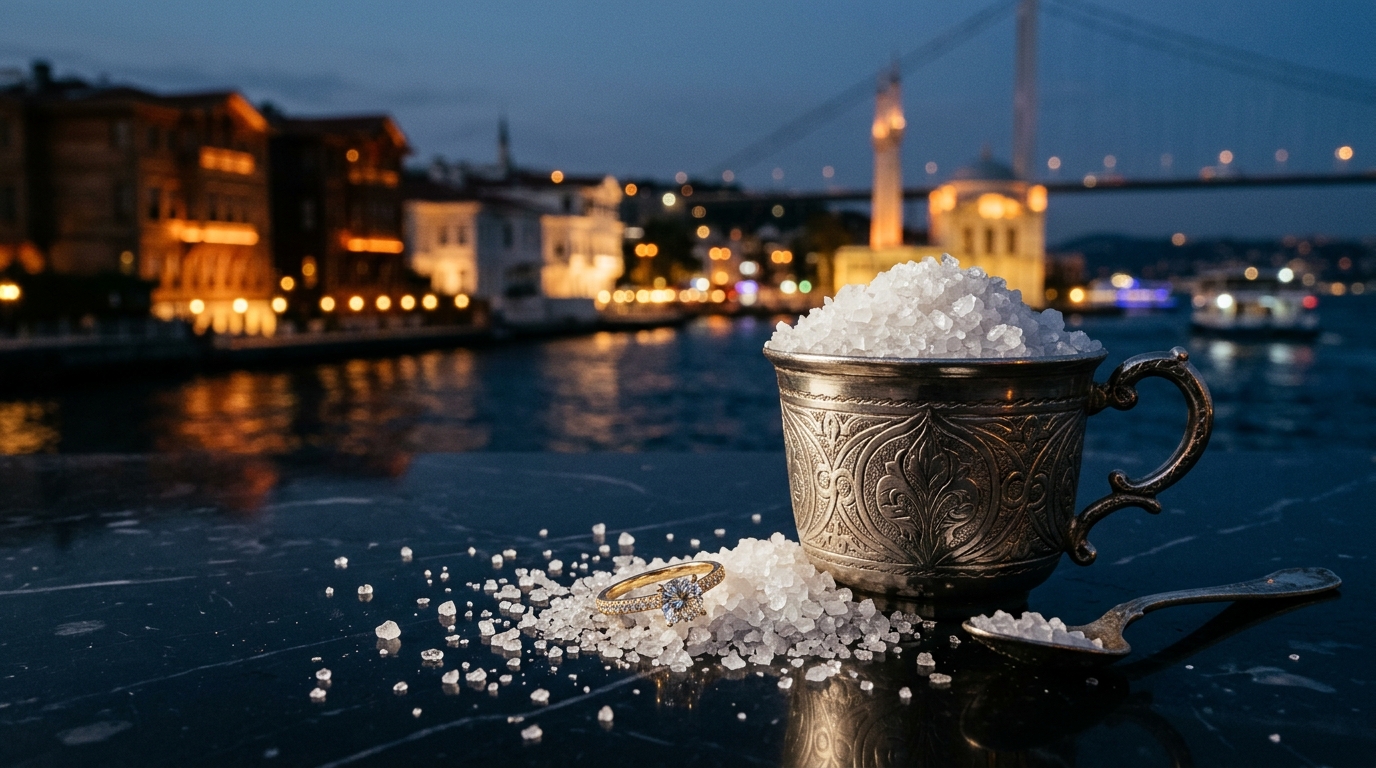
The danger of self-aware satire is that it can slip into superficial caricature if the emotional stakes are not grounded. This is where Buğra Gülsoy and Binnur Kaya become essential. By grounding the Aydınoğlu family in authentic generational conflict and family expectations, they prevent the show from floating away into pure cartoonish absurdity. The salty coffee ritual (a Turkish marriage tradition where the bride salts the groom coffee to test his devotion) becomes a brilliant metaphor for the entire show: beneath the sweet luxury, there is a sharp, biting sting of rivalry.
6. Star TV Strategic Lifeline
For Star TV, the premiere of Tuzlu Kahve is not just another seasonal addition; it is an urgent corporate necessity.
With the network wrapping up summer productions like Doğanın Kanunu at Episode 13 under heavy financial strain, Star TV needed an undisputed prime-time flagship. A series boasting this demographic strength in the high-income AB and ABC1 brackets commands the most expensive commercial ad rates in the country. If the Kutaygil-Aydınoğlu feud maintains its 5.0+ trajectory, it will single-handedly anchor the network autumn balance sheet.
The Bottom Line
Episode 1 proved that the chemistry between Eda Ece and Şevval Sam was never a fluke; it is a permanent masterclass in comedic timing and female screen power.
By combining the aristocratic DNA of Yasak Elma, the eccentric matchmaking madness of Kiralık Aşk, and an unprecedented ensemble of acting titans, Tuzlu Kahve has delivered the most entertaining, polished television premiere of the 2026 autumn season.
Keep tracking Vartolo for real-time rating updates and demographic shifts as Wednesday night war heats up!